Which Side of the Fence Faces the Neighbor?
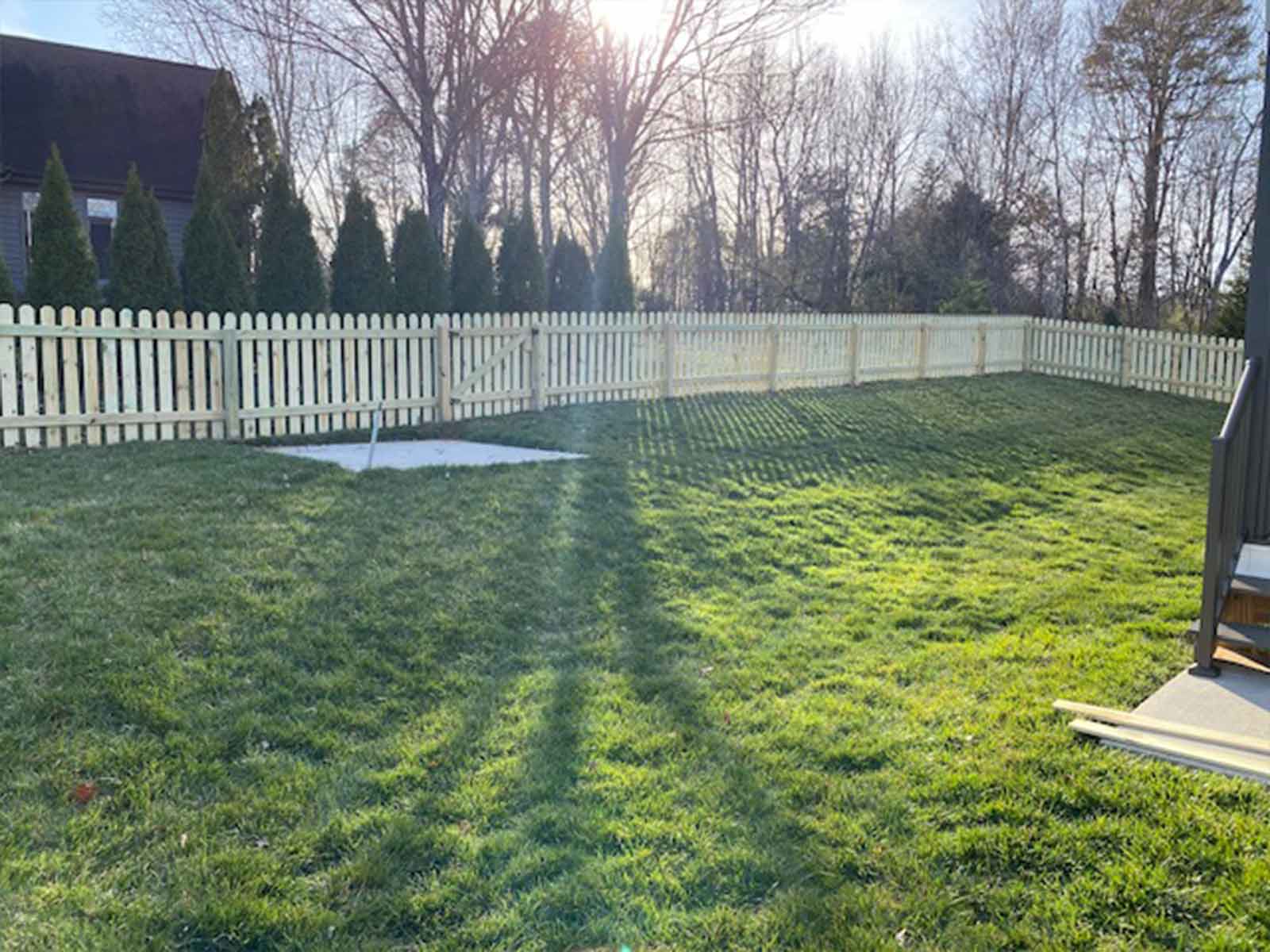
Short answer: the smooth, finished side faces your neighbor and the street. The posts and rails go on your side.
It feels backwards the first time somebody explains it — you are paying for the fence, so why does the neighbor get the good side? There are actually solid reasons, and in a lot of neighborhoods you do not have a choice.
Why the Finished Side Faces Out
It looks right from the street. A fence is part of the streetscape whether you think of it that way or not. The framing side reads as unfinished to everyone who drives past, including the appraiser when you sell.
It is a security consideration. This is the reason most people have never heard. Horizontal rails are a ladder. Putting them on the inside means somebody outside your fence has a flat face to deal with instead of built-in footholds. It matters more than it sounds, especially on a six-foot privacy fence around a pool or a yard with a dog.
When It Is Actually Required
This is usually not state law in Tennessee. It shows up in two other places:
- HOA covenants. Very common, and HOAs enforce it. In Tennessee an HOA can place a lien on your property over covenant violations, so this is not a rule to guess at.
- Local ordinances. Municipalities regulate fences through zoning and screening provisions, and requirements vary between Knoxville, Knox County and the surrounding towns.
Check both before anybody digs. Rebuilding a fence backwards is an expensive lesson.
What If You Want the Good Side Too?
You can have it. Three styles give you a finished appearance on both faces:
Board on board. Pickets alternate front and back with an overlap. Full privacy, finished both sides, and the overlap absorbs seasonal wood movement instead of opening gaps. Our most requested upgrade.
Shadowbox. Alternating pickets with a deliberate gap. Looks the same from both sides and lets wind through, which reduces stress on posts. The trade-off is real: you can see through it at an angle, so it is not a true privacy fence.
Good neighbor. Sections alternate which side faces out, so each owner gets some of the finished face. Cheaper than board on board, and it looks somewhat sectional.
All three use more material than a standard privacy fence, so expect to pay more per foot. For a fence facing a street, a shared line with a neighbor you want to stay friendly with, or an HOA lot, it is usually worth it.
One Practical Note About Posts
Whichever side faces out, the posts still sit on your side, and that changes your usable yard by a few inches. If you are fencing tight to a line or working around a driveway or a shed, tell whoever quotes it — those inches occasionally matter.
Frequently Asked Questions
Which side of the fence should face my neighbor?
The finished, smooth side faces outward toward the neighbor and the street. Rails and posts sit on the owner's side. That is the standard convention and the default most contractors build to.
Is it a law that the good side faces out?
Usually not state law. It is most often an HOA covenant or a local zoning or screening ordinance. Rules vary between Knoxville, Knox County and nearby municipalities, so check both.
Why do the rails go on the inside?
Appearance and security. The smooth face looks finished from the street, and keeping the climbable horizontal rails on your side makes the fence harder to scale from outside.
Can a fence look the same on both sides?
Yes — board on board, shadowbox and good neighbor styles all finish both faces. They cost more because they use more material, and shadowbox trades privacy for airflow.
Not Sure Which Style Fits Your Lot?
We will walk it with you, look at what your HOA requires, and show you what board on board versus standard privacy actually looks like before you commit. Free, no obligation.
Call (865) 988-9935 or request a quote.
Loudon County Fence — building fence in East Tennessee since 1973. TN Unlimited Contractor License #54371.