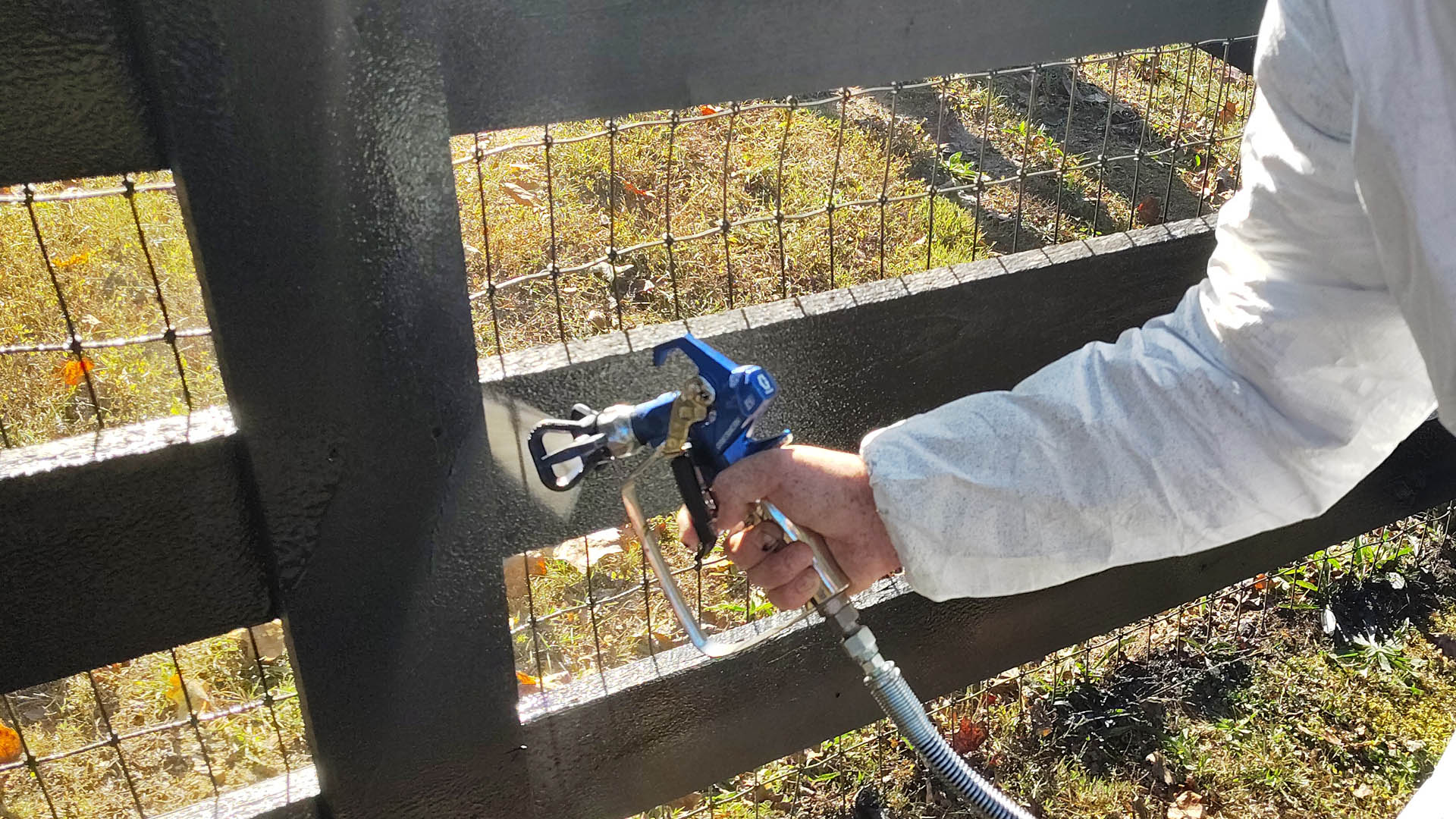
Why Summer Is the Perfect Time to Stain Your Wood Fence
If you’ve been looking at your wood fence and thinking it’s starting to look a little dry, faded, or weathered, you’re not alone—and you’re also right on time. Summer is one of the best seasons of the year to take care of fence staining, and for good reason. The combination of warm temperatures, lower moisture variability, and longer daylight hours creates ideal conditions for protecting and restoring your fence.
A professionally stained fence doesn’t just improve appearance. It plays a critical role in extending the life of your wood, preventing premature aging, and keeping your outdoor space looking clean, intentional, and well cared for.
Whether your fence surrounds a backyard, frames your property line, or adds decorative character to your landscape, staining is one of the simplest and most effective ways to protect your investment.
The Real Purpose of Fence Staining (It’s More Than Looks)
It’s easy to think of fence staining as a cosmetic upgrade—but that’s only part of the story. Wood is a natural material, which means it constantly reacts to its environment. Sun exposure, rainfall, humidity, and seasonal temperature changes all slowly break it down.
Over time, untreated or poorly maintained wood fences can:
- Fade to a dull gray color
- Crack or split due to drying and moisture cycles
- Warp or weaken from repeated exposure
- Become more vulnerable to rot and insects
-
A high-quality stain acts as a protective barrier. It penetrates the wood fibers and helps repel moisture while reducing UV damage from the sun. This keeps the wood more stable, stronger, and longer-lasting.
Why Summer Conditions Are Ideal for Staining
Summer in East Tennessee brings a combination of conditions that make fence staining more effective and efficient:
1. Consistent warm temperatures
Stain adheres and cures best when the wood is dry and temperatures are stable.
2. Lower moisture retention in wood
Dryer conditions help ensure the stain properly absorbs instead of sitting on the surface.
3. Longer daylight hours
More working time means more even application and better coverage.
4. Faster curing time
Stain dries more predictably, reducing the risk of streaks or uneven finishes.
When done correctly, summer staining results in a deeper, more uniform finish that holds up well through the seasons ahead.
The Difference a Professional Stain Job Makes
While DIY staining is possible, professional application ensures consistency, durability, and long-term performance. Proper preparation is just as important as the stain itself.
A professional fence staining service typically includes:
- Full surface cleaning and preparation
- Removal of dirt, mildew, and old residue
- Inspection for damaged boards or weak sections
- Even application for uniform color and coverage
- Use of commercial-grade stain products
-
The result is not just a better-looking fence—it’s a fence that’s actually better protected.
Working with an experienced contractor also helps ensure the right stain type is selected for your specific wood, climate exposure, and design preferences.
What Type of Fences Benefit Most from Staining?
Almost all wood fences benefit from regular staining, but it’s especially important for:
- Privacy fences
- Backyard enclosures
- Decorative wood fencing
- New cedar or pressure-treated installations
- Older fences showing signs of fading or dryness
-
Even newer fences should be stained relatively early in their lifespan to lock in protection before weathering begins.
How Often Should You Stain a Fence?
In most East Tennessee climates, a wood fence should typically be stained every 2–3 years, depending on exposure and stain quality. Fences that receive full sun exposure or heavy weather exposure may require more frequent maintenance.
A simple way to check is by observing how water behaves on the wood:
- If water beads up → protection is still active
- If water soaks in quickly → it’s time to re-stain
-
Boosting Curb Appeal and Outdoor Enjoyment
A freshly stained fence can dramatically improve the overall look of your property. It frames your yard with a clean, rich finish that complements landscaping, outdoor furniture, and home exterior colors.
Beyond appearance, it also contributes to how you use your space. A well-maintained fence helps create a more inviting backyard environment for:
- Summer cookouts
- Pool days
- Family gatherings
- Quiet outdoor relaxation
-
It’s a small upgrade that makes a big visual and functional impact.
Protect Your Investment with Professional Help
Your fence is more than just a boundary—it’s part of your home’s structure, privacy, and value. Protecting it now helps you avoid costly repairs or premature replacement later.
If you’re considering fence staining this summer, working with a professional ensures the job is done right the first time, with results that last.
Learn more about professional fence staining and fencing services from Loudon County Fence: