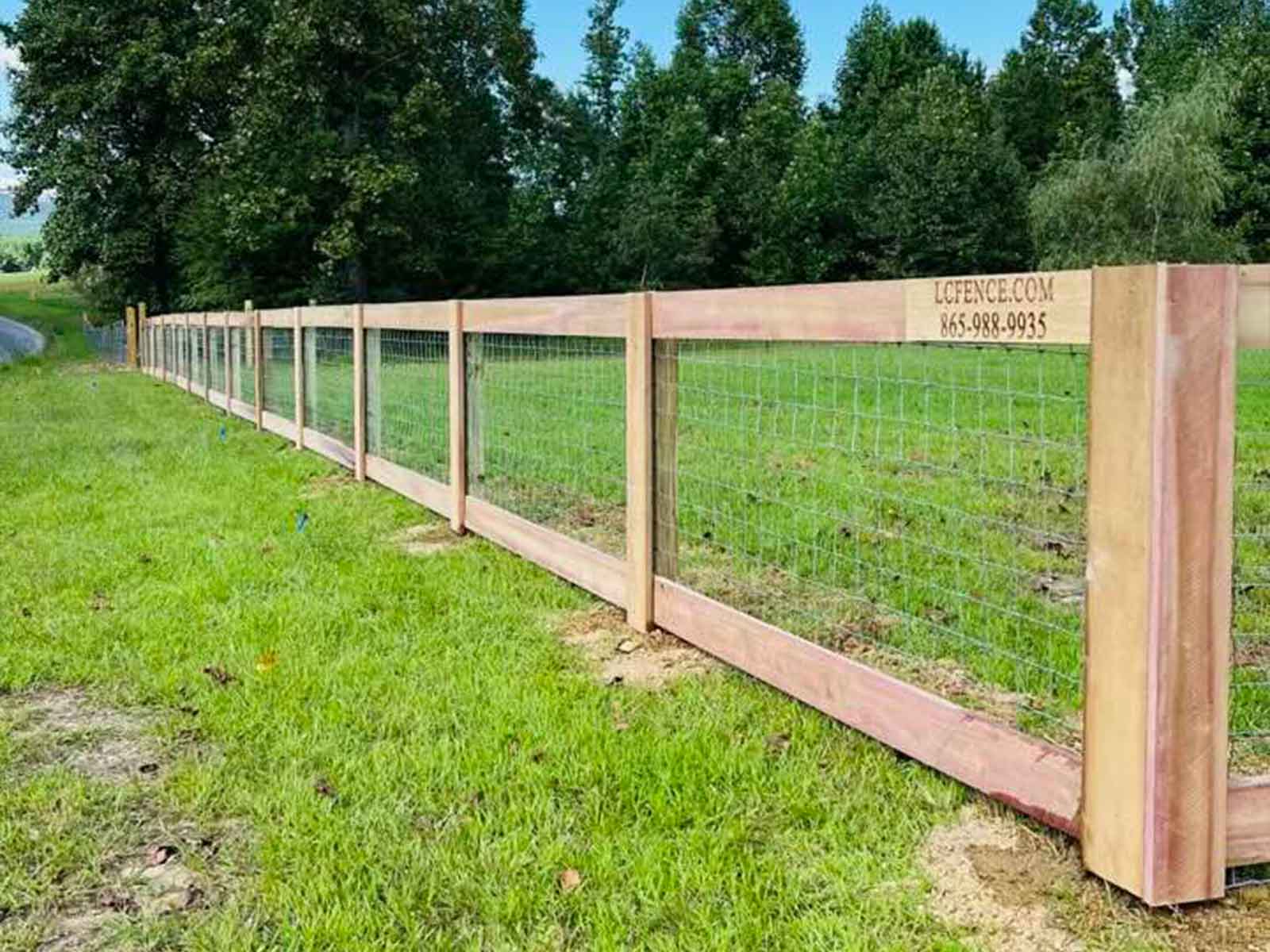
Do You Have to Call 811 Before Digging Fence Posts in Tennessee?
Short answer: Tennessee law does contain a fence-post exemption from the 811 call-before-you-dig requirement — and on a typical Knoxville subdivision lot, it almost never applies. The exemption only covers digging that is outside any recorded easement and more than 100 feet from the edge of the pavement. Most suburban fence lines fail at least one of those tests.
What does Tennessee law actually require before you dig?
The Tennessee Underground Utility Damage Prevention Act, at Tennessee Code Annotated §§ 65-31-101 through 65-31-120, sets the rules. The core requirements:
| Requirement | What the statute says |
|---|---|
| Advance notice | At least 3 working days before excavation, and not more than 10 full working days prior (§ 65-31-106(a)) |
| Who must call | Anyone excavating in streets, highways, public spaces, private easements, or within 100 feet of the edge of street or highway pavement |
| How long the ticket lasts | 15 days (§ 65-31-104(a)) |
| Tolerance zone | A strip at least 4 feet wide, or the width of the utility plus 2 feet on either side (§ 65-31-108(c)) |
| Penalties | First violation: training. Second and after: training and/or up to $2,500 per incident. Gross negligence or willful misconduct: up to $5,000 per incident (§ 65-31-112(a)) |
So what is the fence post exemption?
The statute excludes from the notice requirement "tilling of soil for agricultural purposes or the digging of holes for fence posts on private property."
Read on its own, that sounds like fence work is simply exempt. It isn't. The exemption sits inside the same section that defines who must give notice in the first place — and that definition already reaches anyone digging in a recorded easement or within 100 feet of pavement.
Put practically: the exemption was written for a farmer setting posts in the middle of a field. It was not written for a privacy fence along the back of a quarter-acre lot in Hardin Valley.
Why it usually doesn't cover a Knoxville yard
Walk a typical subdivision lot and count the ways you fall outside the exemption:
- Utility easements. Most platted subdivisions carry recorded easements along rear and side lot lines — which is exactly where fences go. Digging inside a recorded easement is covered by the notice requirement regardless of what you're digging for.
- The 100-foot rule. On a standard residential lot, the front of the property and often the whole side yard sit within 100 feet of the pavement edge. A corner lot can be within 100 feet on two sides.
- Service laterals. Gas, water, electric and communications drops run from the street or rear easement to the house. Fence lines cross them constantly.
Note also that the statute does not carve out homeowners. A DIY fence build is subject to the same requirement a contractor is.
Who is supposed to make the call — me or my contractor?
The obligation falls on the person doing the excavating. If you hire a fence contractor, that's the contractor. If you're setting the posts yourself, it's you.
Ask the question directly before work starts. "Did you call 811, and what's the ticket number?" is a fair question, and any established contractor will have an answer. The ticket is good for 15 days, so a job that slips past that window needs a fresh one.
What happens if nobody calls?
Best case, nothing — you miss everything. Realistically, the risk is not the fine. It's the repair bill for a cut fiber line, the gas line strike that brings out emergency crews, or an injury. The statutory penalties top out at $2,500 per incident for a repeat violation and $5,000 for gross negligence, but the cost of the damage itself is separate from the penalty and is generally much larger.
What marks actually mean once they show up
Locators mark the approximate horizontal position of a facility, not its depth. The tolerance zone — at least 4 feet wide, or the utility width plus 2 feet each side — is the band inside which you're expected to expose the line carefully rather than power-auger through it. A mark is not a promise that the line is exactly under the paint.
Does this change anything about where my fence goes?
Sometimes, yes. If locates come back showing a main running directly down the line you wanted to fence, the practical answers are to shift the line, hand-dig that section, or set a post on each side of the crossing and span it. That is a design conversation worth having before the crew shows up with an auger, not during.
It's also a reason to have the locate done before the final layout is staked, rather than after.
The short version
Call 811, or confirm your contractor did. The fence-post exemption in Tennessee law is real, it is narrower than it reads, and on a normal Knoxville lot you should assume it does not apply to you.
Sources
- Tennessee Code Annotated §§ 65-31-101 to 65-31-120, Underground Utility Damage Prevention Act
- PHMSA Tennessee State Damage Prevention Law Summary — notice period, ticket life, tolerance zone, penalties
- Tennessee 811 — tn811.com
This is general information about Tennessee's excavation notice statute, not legal advice. Ticket life and penalty amounts are set by statute and can change; confirm current requirements with Tennessee 811 before you dig.